Plant it and they will come
User: jeffnhyman@gmail.com
Vendor: None
Action: 3471 - Practice Low-Impact Lawn and Yard Care
Many years ago, I thought that having a lush green lawn was the most important aspect of home ownership, along with a desire for perfection. What I didn’t consider back then, were the numerous negative aspects and after years of managing the process, I eventually determined it wasn’t worth the time and effort nor the negative aspects to the environment.
The regime was comparable to a patient on life-support, requiring chemical therapy, hydration, and around-the-clock care, while providing little to no ecological benefit to the living earth, example: seed it, feed it, poison it, water it, cut it, bag it, dispose it and repeat, frankly a waste of time.
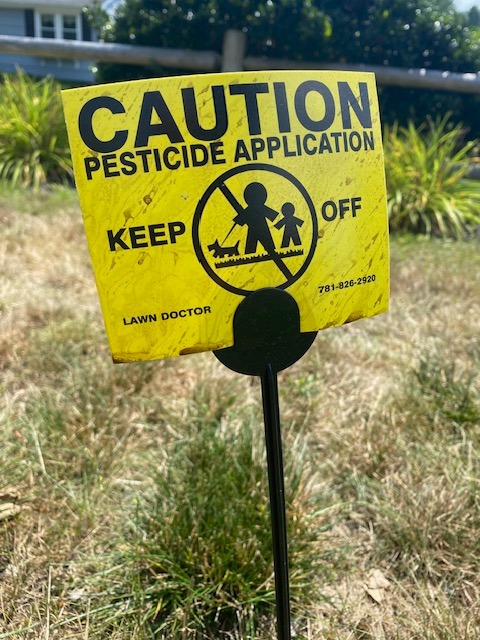
Something had to change and after doing some reading and consulting with eco-minded landscape professionals, it was confirmed that conventional yard-care was destructive to the eco-system, harmful to people, pets and wildlife. For example: if I poisoned the grubs, birds were likely harmed by eating the grubs and worms, by using chemicals to achieve green grass, storm water runoff and by extension drinking water becomes contaminated.
According to some estimates in the United States, lawns cover 10 to 16 million hectares, (each hectare equals 2.47 acres) which is more than the US combined land used to grow barley, cotton and rice. Imagine converting 50% of these hectares to habitats that can provide benefit for biodiversity. Imagine the money saved from not having to maintain in such an intensive way, the water we would save from not having to irrigate in dry climates, the energy we would personally save from fewer mowers and the time we would save from not having weekends centered around maintenance. And finally, imagine the biodiversity we could cause to blossom by designing our spaces for nature.
Moving towards a direction of reduced impact I implemented new practices, such as, replacing lawn area with native plantings, stopped lawn irrigation, eliminated use of pesticides, herbicides and fertilizer, began hand raking only and finally planted pollinator supporting trees and plants.
Every yard is a work in progress regardless of methods but, the benefits of a low impact yard include: lower maintenance costs, cleaner air to breath, (no leaf blowers), improved visual appeal with no secondary poisoning to pets, people and wildlife while supporting biodiversity of the living earth, and the satisfaction of helping rather than harming. I am convinced that nature will thrive and our health will improve if we change our approach to land use, I think about that as I consider my choices.
- All Testimonials